

California Paid Family Leave: What Employers and Employees Should Know
California Paid Family Leave, commonly called PFL, is an often misunderstood leave-related benefit avaialble to qualifying California workers. Employees often think of it as “paid leave from work.” Employers sometimes think of it as a leave law creating reinstatement rights. Neither description is quite accurate.
PFL is best understood as a wage-replacement benefit administered by the California Employment Development Department. It provides partial pay to eligible workers who need time away from work for certain family-related reasons. It does not, by itself, require an employer to hold a job open, restore an employee to work, or excuse an absence. Those job-protection rights may come from other laws, such as the California Family Rights Act, the federal Family and Medical Leave Act, Pregnancy Disability Leave, disability accommodation laws, or other protected leave statutes.
Understanding this distinction is important for both employers and employees. PFL may pay the employee. A different law may protect the employee’s job.
What Paid Family Leave Covers
California PFL provides short-term wage replacement benefits to eligible workers who need time away from work for one of three general reasons: bonding with a new child, caring for a seriously ill family member, or supporting a family member’s military deployment. EDD identifies these as bonding, care, and military assist claims.
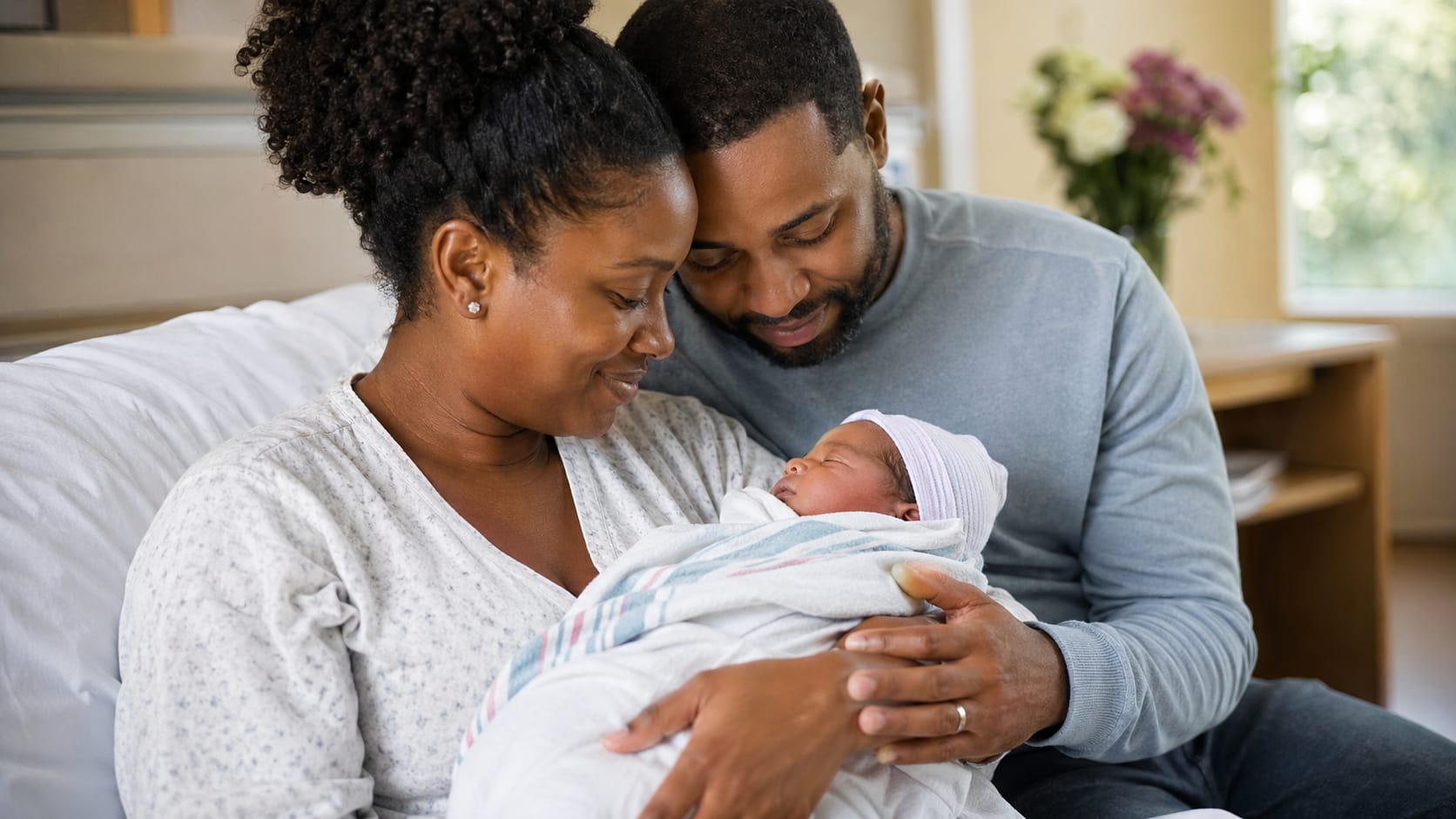
A bonding claim may apply after the birth, adoption, or foster placement of a child. A care claim may apply when the employee needs time off to care for a seriously ill family member. A military assist claim may apply when the employee needs time off to support a covered family member deployed to a foreign country.
If the worker is eligible, PFL can provide benefit payments for up to eight weeks in a 12-month period. For 2026 claims, EDD currently lists a minimum weekly benefit amount of $50 and a maximum weekly benefit amount of $1,765.
How Paid Family Leave Is Paid For
PFL is part of California’s State Disability Insurance system. It is funded through employee payroll deductions, commonly shown on paystubs as CASDI. EDD’s eligibility guidance states employees must have earned at least $300 in the base period with State Disability Insurance withheld, and EDD’s benefit calculation page explains the worker must have paid into SDI during the base period to receive benefits.
This is why employers should be careful when responding to PFL paperwork. PFL is not an employer-funded paid leave bank in the same way vacation, PTO, or sick leave may be. It is a state-administered insurance benefit funded through payroll deductions from covered workers.
As of January 1, 2025, California law no longer allows employers to require an employee to use up to two weeks of vacation before receiving PFL benefits for claims beginning on or after that date. AB 2123 amended Unemployment Insurance Code section 3303.1 to make the prior vacation-use authorization inapplicable to periods beginning on or after January 1, 2025.
How Eligibility Is Determined
EDD, not the employer, determines whether a worker is eligible for PFL benefits.
EDD states a worker may qualify for PFL if the worker cannot do their regular work, loses wages because they need qualifying family leave, is working or looking for work when the family leave begins, and earned at least $300 in the base period with SDI withheld. Citizenship and immigration status do not affect eligibility.
The claim must be filed no earlier than the first day family leave begins and no later than 41 days after family leave begins, or the claimant may lose benefits. EDD also requires supporting documentation depending on the type of claim, such as proof of relationship for bonding claims, medical certification for care claims, or proof of the qualifying event for military assist claims.
EDD calculates the worker’s weekly benefit amount using the highest quarter of earnings in the worker’s base period. The base period generally consists of wages subject to SDI tax paid about 5 to 18 months before the PFL claim begins. For a PFL claim to be valid, the worker must have at least $300 in wages in the base period.
How Much PFL Pays
PFL does not replace the employee’s full wages. EDD states the weekly benefit amount is generally about 70% to 90% of the wages the worker earned 5 to 18 months before the claim start date, depending on income, up to the maximum weekly benefit amount. EDD calculates the benefit using the worker’s highest quarter of earnings in the base period.
Employees may also work part-time while receiving PFL in some circumstances. A worker may still be eligible while working part time, although part-time wages and other benefits may reduce the weekly benefit amount if the combined amount exceeds the worker’s regular weekly wages.
PFL Is Not the Same Thing as Job-Protected Leave
One of the most common employer mistakes is treating PFL as if it answers the entire leave question. It does not.
EDD expressly states PFL provides benefit payments but not job protection. Other laws, such as FMLA or CFRA, may protect the employee’s job.
That means an employer should not stop the analysis after receiving a PFL notice. The employer must ask a separate question: Does another law protect the employee’s time away from work?
For example, an employee receiving PFL to bond with a new child may also be eligible for job-protected bonding leave under CFRA. An employee receiving PFL to care for a family member may also be on CFRA or FMLA leave. A birth parent may first be entitled to Pregnancy Disability Leave if disabled by pregnancy, childbirth, or a related medical condition, and later may be entitled to CFRA bonding leave. The California Civil Rights Department enforces CFRA protections, which provides job-protected leave for many employees to care for their own serious health condition, care for certain family members, or bond with a new child, and Pregnancy Disability Leave separately protects employees disabled by pregnancy, childbirth, or related medical conditions.
CFRA, FMLA, and Pregnancy Disability Leave May Operate Alongside PFL
CFRA generally provides eligible employees up to 12 workweeks of job-protected leave in a 12-month period for covered reasons, including the employee’s own serious health condition, the serious health condition of covered family members, and the birth, adoption, or foster placement of a child. To be eligible for CFRA leave, the employee must generally have more than 12 months of service, have worked at least 1,250 hours in the 12 months before leave begins, and work for an employer with five or more employees.
Pregnancy Disability Leave is different. When an employee is disabled by pregnancy, childbirth, or a related medical condition, the employee may be entitled to up to four months of Pregnancy Disability Leave, depending on the period of actual disability. If the employee is also eligible for CFRA, the employee may have the right to take both Pregnancy Disability Leave and CFRA leave related to the birth of the child.
CFRA leave and Pregnancy Disability Leave laws guarantee reinstatement to the same position or, in certain circumstances, a comparable position at the end of leave, subject to defenses allowed by law.
In practical terms, PFL often runs alongside these laws. PFL may provide income replacement while CFRA, FMLA, or Pregnancy Disability Leave provides job protection. The employee may experience the time away from work as one leave, but legally several different rules may be operating at the same time.
What Employers Should Do When They Receive PFL Paperwork
When an employer receives PFL paperwork from EDD, the employer should respond accurately and completely. The employer should provide the requested information, including employment status, dates of employment, wages, and any other information requested on the form.
The employer should not assume a PFL claim is invalid merely because the employee resigned, is no longer actively working, or is not currently on the schedule. EDD’s eligibility rules include workers who are working or looking for work when family leave begins, and EDD makes the benefit determination.
At the same time, the employer should separately evaluate whether the employee has requested, triggered, or may be eligible for job-protected leave. That analysis should include CFRA, FMLA, Pregnancy Disability Leave, disability accommodation obligations, paid sick leave, local ordinances, and any employer policies or collective bargaining agreement that may apply.
The safest approach is to separate the issues. First, answer EDD’s benefit-related questions accurately. Second, conduct an independent job-protected leave analysis. Third, document communications with the employee about the leave reason, expected duration, certification requirements, benefits, and return-to-work rights.
What Employees Should Understand
Employees should understand PFL may provide partial wage replacement, but it does not automatically protect their job. An employee who needs time away from work should notify the employer of the need for leave and provide enough information for the employer to evaluate whether a job-protected leave law applies.
Employees should also file the PFL claim on time and provide the documentation required by EDD. For care claims, EDD requires medical certification from the care recipient’s physician or practitioner. For bonding claims, EDD requires proof of relationship. For military assist claims, EDD requires proof of the qualifying event.
The Bottom Line
California PFL is an important benefit, but it is only one part of the leave law analysis. It provides partial wage replacement to eligible workers for qualifying family-related reasons. It is funded through employee payroll deductions and administered by EDD. It does not, standing alone, create job protection.
Employers should avoid the common mistake of treating PFL paperwork as either a leave approval or a leave denial. PFL answers the wage-replacement question. CFRA, FMLA, Pregnancy Disability Leave, disability accommodation laws, and other protected leave rules may answer the job-protection question. Those issues often overlap, but they are not the same.